


What Parents Should Expect During the First 3 Months of Music Lessons
Starting music lessons is an exciting time for children and families. The first three months lay the foundation for everything that follows—confidence, technique, motivation, and enjoyment. But many parents aren’t sure what progress is “normal,” how to support practice, or what challenges their child may face early on.
This guide explains what to realistically expect during the first 12 weeks of music lessons in 2026, so you can support your child effectively and keep them excited about learning.

Month 1 — Building Basics, Confidence, and Routine
The first month focuses on understanding the instrument and building confidence—not perfection.
Parents can expect:
✔ learning how to hold the instrument correctly
✔ first simple notes or chords
✔ basic rhythms and counting
✔ short, achievable practice assignments
✔ excitement mixed with hesitation
Beginners also learn how to learn—how to listen, watch, follow instructions, and practice with intention.
For a beginner-friendly guitar foundation:👉 10 Essential Guitar Chords You Need to Know
How Parents Can Help:
Encourage a consistent practice time
Celebrate small wins
Avoid comparing progress to others
The goal of Month 1 is comfort, not speed.
Month 2 — Skill-Building, Repetition, and Early Frustration
Once the excitement settles, students begin working on:
✔ technique refinement
✔ repeating exercises
✔ building finger strength
✔ developing steady rhythm
✔ playing short songs or patterns
This is also the month when frustration is most common, especially for young learners.
Kids might say:
“This is hard.”
“I can’t remember the notes.”
“My fingers hurt.”
This phase is completely normal and expected.
To help your child stay motivated:👉 Why Learning Music Feels Harder Than It Should—and How to Fix It
How Parents Can Help:
Remind your child that all musicians struggle
Keep practice short and consistent
Avoid pressure—encouragement works better
Sit with them during practice (even if you don’t play a note)
The goal of Month 2 is patience and repetition.
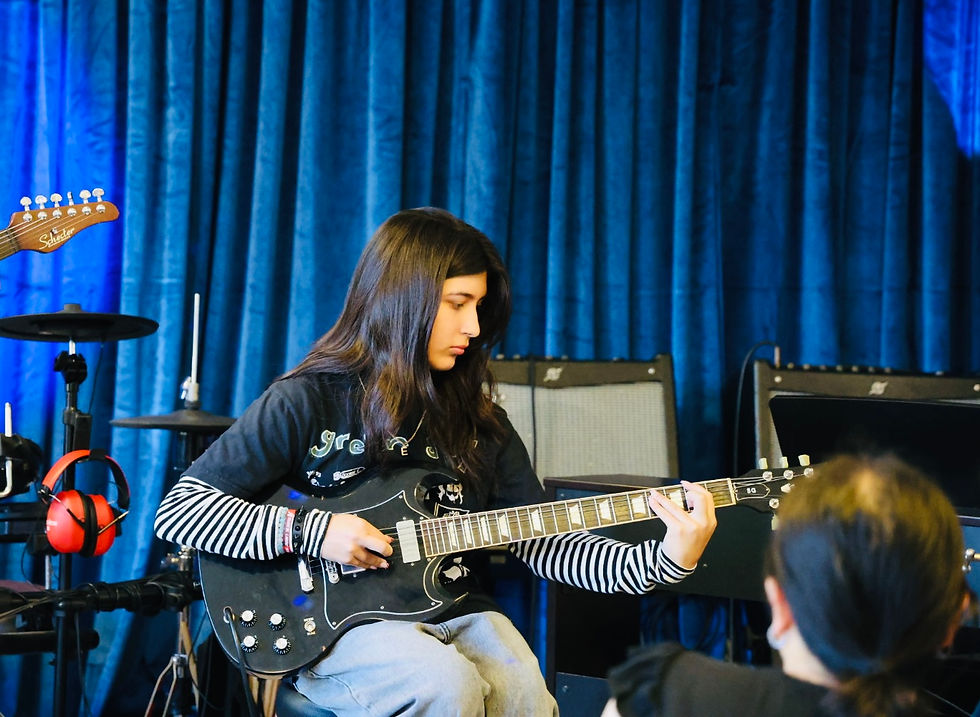
Month 3 — Visible Progress, Confidence, and Musical Breakthroughs
By Month 3, everything starts coming together.
Most students can:
✔ play a simple song or melody
✔ understand music basics (notes, rhythm, patterns)
✔ transition between chords or hand positions
✔ maintain better hand posture
✔ follow their teacher more independently
Confidence grows significantly during this month, and children start to realize:“I can really do this!”
This is also when parents see improvement at home.
To deepen skills:👉 10 Tips for Mastering Musical Instruments
How Parents Can Help:
Ask your child to play something they learned
Celebrate consistency more than speed
Keep lessons and practice fun
Acknowledge effort, not just results
The goal of Month 3 is building momentum and musical identity.
What Progress Should Parents Expect?
Most students after 3 months can:
✔ play a short melody or song
✔ keep time with a metronome
✔ recognize patterns in music
✔ transition between basic notes or chords
✔ understand music lesson structure
Each child progresses at their own rate, but any consistent practice produces results.
To support well-rounded learning:👉 The Benefits of Taking Music Lessons
Common Challenges in the First 3 Months (And How to Handle Them)
1. Practice resistance
Totally normal. Kids are adjusting to a new routine.
2. Finger discomfort (for guitar, piano, strings)
This resolves with regular practice.
3. Feeling overwhelmed
Beginners sometimes try to learn too much too soon.
4. Wanting to quit too early
Many kids feel this around Weeks 4–6.
Why quitting happens—and how to prevent it:👉 Why Most Music Students Quit—and How to Prevent It
How Parents Can Make Music Lessons More Successful
Parents don’t need musical knowledge—only support and patience.
Parents can help by:
✔ providing a distraction-free practice area
✔ maintaining a predictable weekly routine
✔ encouraging kids when they get frustrated
✔ attending occasional lessons to understand progress
✔ praising effort over accuracy
✔ staying positive
Music is a long-term journey, not a race.
To understand what truly makes lessons effective:👉 Music Lessons That Actually Make a Difference

For Adult Beginners: What to Expect in the First 3 Months
Adults experience:
✔ faster conceptual understanding
✔ slower physical adaptation
✔ stronger self-criticism
✔ higher expectations
✔ better discipline
Adults often learn quickly—until perfectionism slows them down. The key is embracing progress, not perfection.
Adult beginners thrive when they:
practice short sessions
embrace mistakes
stay patient during physical adjustments
Adult-friendly encouragement:👉 Music Lessons for All Ages and Skill Levels
When Do Parents Usually Notice Real Improvement?
Most parents notice a clear jump in skill around:
🎵 Week 6🎵 Week 8🎵 Week 12
This is when technique, confidence, and musical understanding begin to merge.
Progress accelerates significantly with consistent practice.
FAQs
1. How soon should my child start practicing at home?
Immediately—small sessions reinforce early learning.
2. How much progress is normal in 3 months?
Playing simple songs, better rhythm, and improved confidence are typical milestones.
3. What if my child says music is “too hard”?
This is very common. With support and small goals, the feeling passes.
4. Should parents sit in on lessons?
Occasionally—it helps you reinforce skills at home.
5. How can I motivate my child to practice?
Encourage short, fun routines and celebrate effort, not perfection.
6. How long before students feel confident?
Confidence noticeably grows between Months 2 and 3.
7. How can I help my child stay committed long-term?
Choose songs they love, keep expectations light, and maintain a positive environment.


