


- Dec 16, 2025
- 2 min read
As a parent, choosing music lessons for your child is an exciting investment in their creativity, confidence, and long-term development. But many parents experience common concerns:
“What if my child loses interest?”
“How much should they practice?”
“Do I need a musical background to help them?”
This guide answers the most common parent questions and offers actionable strategies to help your child thrive.

Why Parents Play a Major Role in Musical Success
Children progress fastest when parents:
Show encouragement
Create a consistent routine
Celebrate small improvements
Provide structure without pressure
Learn more about how lessons shape overall development:
Common Parent Concerns (and the Truth Behind Them)
“What if my child quits?”
Many students struggle at certain stages — especially after the “beginner excitement” fades.
Help your child stay motivated:👉 Why Most Music Students Quit and How to Prevent It
“How much practice is enough?”
For children 6–12, 10–15 minutes a day is ideal.
“Should I sit with my child during practice?”
For younger students, yes. For older children, gentle check-ins are better than constant supervision.
Setting Up Your Home for Musical Success
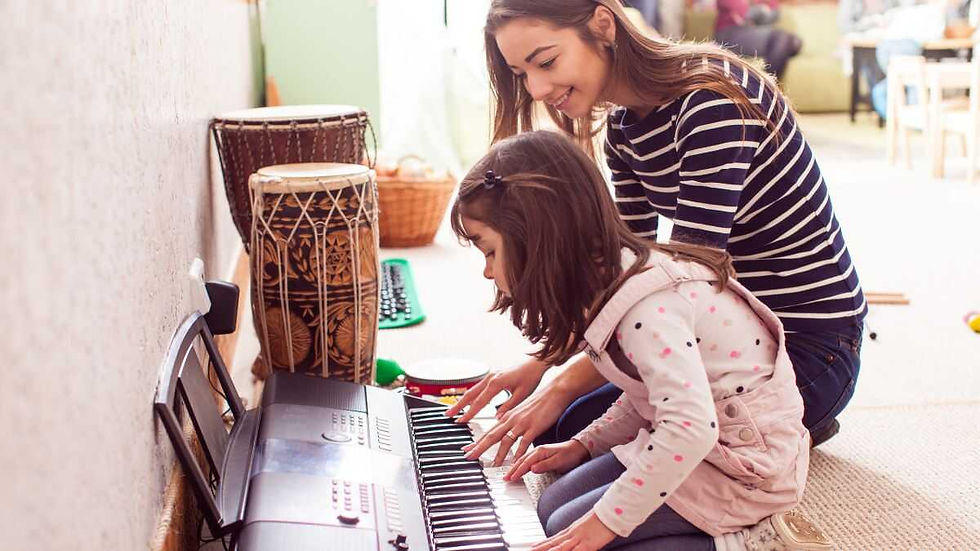
A supportive practice environment includes:
✔ A distraction-free corner
✔ Good lighting
✔ A comfortable chair or music stand
✔ Easy access to their instrument
Reinforce with structured practice habits:

How Music Lessons Support Emotional & Social Development
Music builds:
Confidence
Self-expression
Patience
Emotional regulation
Learn more:
Group lessons also strengthen social skills through teamwork:
Choosing the Right Instrument for Your Child
When selecting an instrument, consider:
✔ Age & physical comfort
✔ Musical interests
✔ Teacher recommendations
✔ Instrument size
Beginner-friendly options include guitar, piano, voice, and ukulele.
For new guitar learners:
When Your Child Says “Music Feels Hard”
This is normal. Learning music involves:
Fine motor skills
Listening skills
Memory
Discipline
Struggling does not mean a lack of talent.
FAQs
How do I know which instrument is right for my child?
Start with their interests and comfort.
At what age is it best to start music lessons?
Most children begin between the ages 5–8.
Do parents need musical experience?
Not at all — encouragement matters more than expertise.
What if my child loses motivation?
Shorter practice sessions often help.
How long before I see progress?
Most students show noticeable improvement within 4–8 weeks.
Should my child start with group or private lessons?
Both work — group lessons build social skills, and private lessons provide focused attention.
How can I keep lessons fun?
Celebrate small wins and allow your child input on song selections.
Support Your Child’s Musical Journey Today
Give your child the gift of music with nurturing, expert-led lessons at Napa School of Music.
📞 (707) 252-4040


Comments